
Back Pain

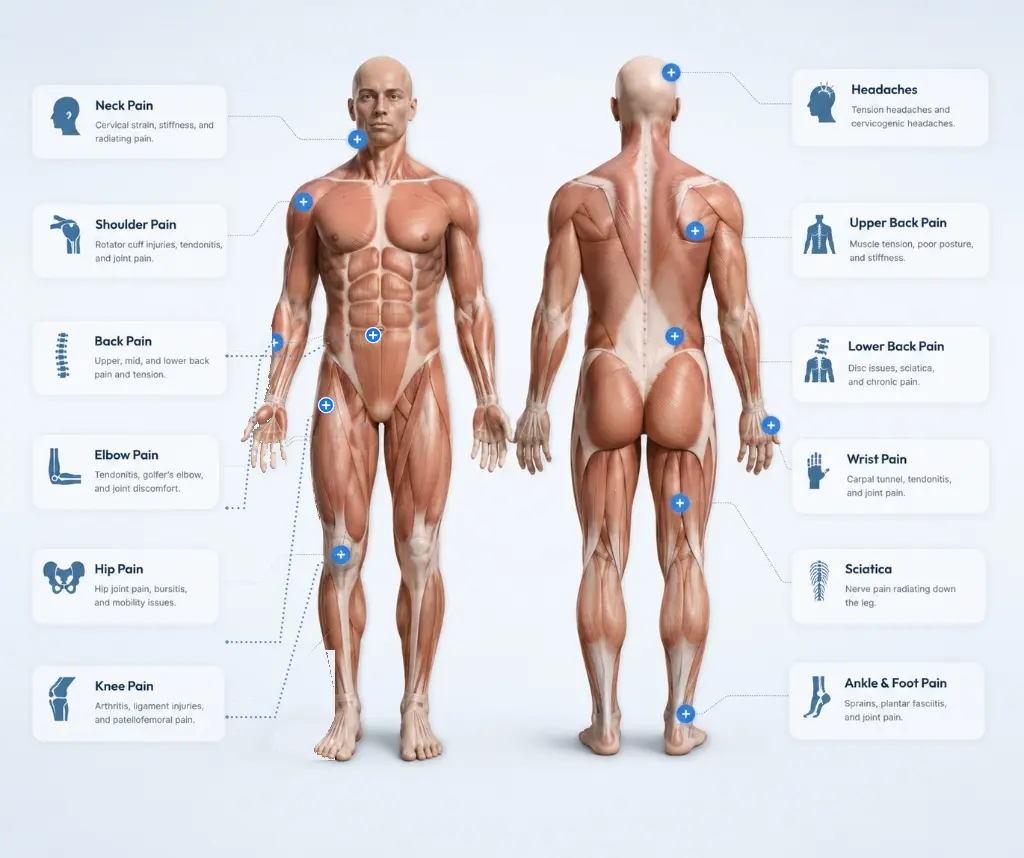
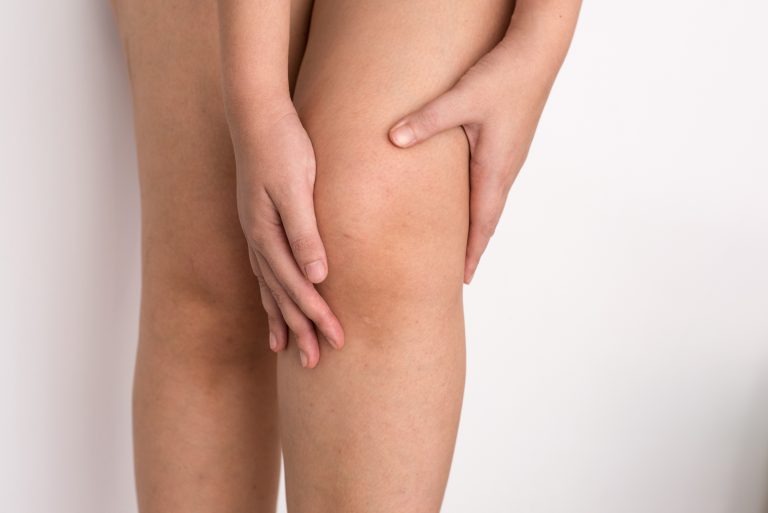
Back pain is a prevalent condition affecting millions globally, ranging from mild discomfort to severe pain that can disrupt daily life. Whether caused by injury, aging, or underlying health conditions, back pain can significantly impact mobility and overall well-being.

Back Pain
Evidence-Based Medical Info

Understanding Back Pain

Back pain can be caused by a variety of reasons including overuse injury, sudden trauma, and/or underlying conditions such as arthritis. While pain originates in specific musculoskeletal and neural tissues, its long-term persistence is mediated by complex interactions between mechanical strain, biochemical inflammation, and central nervous system sensitization.
Anatomy of the Spine & Hip

Accurate diagnosis requires identifying the exact anatomical structure generating nociceptive signals. Below are the primary spine and hip structures detailed in our clinical practice:

Facet Joints

Small joints at each segment of the spine that provide stability and help guide motion. The facet joints can become painful due to arthritis of the spine, a back injury, or mechanical stress to the spine.

Medial Branch Nerves

Medial branch nerves are small nerves that transmit the pain from the facet joints in the spine and carry pain signals from the facet joints to the brain.

Caudal Space & Epidural Injection

Space used to administer a caudal epidural injection which involves placing a needle through an opening in the tailbone (sacral hiatus) to deliver medications into the caudal space. The lower portion of the spinal cord contains the nerves that extend out to the legs and feet; when these nerves become irritated or inflamed, they can cause pain to radiate down the leg.

Erector Spinae Muscles

A large group of muscles that run vertically on both sides of the spine, roughly one hand's width from the spinous processes. As a group, these muscles extend and stabilize the entire vertebral column and cranio-cervical region.

Trochanteric Bursitis (Hip Anatomy)

Your greater trochanter is typically located at the widest point of your hips. Bursitis is when the bursa, a "balloon" type structure which normally holds a small amount of fluid, becomes inflamed. This inflammation causes excess fluid to build-up within the bursa, leading to irritation in the surrounding areas.

Lumbar Spine, Facet Joint & Caudal Space

Lumbar Spine, Facet Joint & Caudal Space

Visual guide illustrating the lumbar facet joint, medial branch nerves, caudal space, and trochanteric bursa. Click to view high-resolution diagram.

Medical Treatments Available for Back Pain

Injections generally provide a temporary reduction in pain which is meant to help you start a rehabilitation program. Some of the items below may be important to your program. OHIP and private insurance will cover some of what you need, however, it may not cover everything, and you will have to invest both time and money in order to return to your maximum level of functioning.

Thermal Denervation

Radiofrequency Ablation (RFA)

A procedure using a special needle that heats nerves to reduce pain. An electrical current produced by a radiowave heats a small area of nerve tissue, essentially burning part of the nerve and thereby decreasing pain signals from the medial branch nerves around the spinal facet joints.

Targets medial branch nerves to provide reliable chronic pain relief.
Regenerative Medicine

PRP (Platelet-Rich Plasma) Injections

Platelet rich plasma is blood plasma with concentrated platelets (the body's repairmen for damaged tissues). The concentrated platelets contain growth factors vital to initiate and accelerate tissue repair, promote development of new blood vessels, and stimulate the healing process.

Concentrated growth factors for biological tissue and ligament healing.
Anti-Inflammatory

Cortisone / Steroid Injections

A medicine injected into the body to help ease pain and swelling from arthritis, injury, or illness. This medication mimics the effects of cortisol produced naturally by our adrenal glands (not bodybuilding steroids; your muscles will not get bigger).

Canadian Osteoporosis Society guideline: ≤560mg triamcinolone acetate/year.
Ligament Therapy

Prolotherapy

A recognized orthopaedic regenerative injection procedure that stimulates the body's natural healing processes to strengthen joints, tendons, and ligaments weakened by trauma or overuse injury. Directly addresses the cause of joint instability.

Awakens healing cells to repair weakened ligamentous sites.
Medications

Anti-Inflammatory Drug Therapy

Considered when structural deficits, progressive nerve compression, or persistent spinal instability do not respond to non-surgical interventional options.

Used selectively to control joint inflammation and symptom flares.
Surgical Option

Spine Surgery

Considered when structural deficits, progressive nerve compression, or persistent spinal instability do not respond to non-surgical interventional options.

Collaborative referral to leading GTA spinal orthopaedic surgeons.

Pain Psychology & Cognitive Behavioural Therapy

The mind has tremendous power over pain and we use it subconsciously all the time. Learning how to react and adapt to pain and its consequences can result in a range of emotional problems, such as depression and pain-related fear, which can lead to poor concentration and memory.

🧠 How Context Changes Pain Perception

We know that we are able to interpret pain in different ways depending on the circumstances, even though the pain is the same. For example, a mother who has been looking forward to and preparing to have a child will probably experience less pain during birth than a teenager who became unexpectedly pregnant and is terrified or unprepared. Training your brain through Cognitive Behavioural Therapy (CBT) is an effective way to alleviate negative emotional responses to pain.

CBT for Chronic Pain

Aimed at reducing the influencing factors that create and maintain negative behaviours, beliefs, or thought patterns. Teaches how increased awareness of thoughts reduces symptom severity using specific behavioural strategies.

Emotions & The Amygdala

The pain centre in the brain decides whether or not to send pain signals to the amygdala (the emotion centre enabling fear, anxiety, and depression). When overwhelmed with pain signals, it triggers these emotions when it otherwise shouldn't.

CBT Psychology (Group or Individual Courses in Thornhill) 7626 Yonge St., Thornhill ON, L4J 1V9 • Phone: 905-597-4404

Movement & Active Physical Therapy

Physical inactivity can lead to weakened muscles, worsening arthritis, increased pain, and less mobility. Exercise also helps keep bones and muscles strong, providing vital support for your joints.

Active Physical Therapy Plan — Not Passive

Be sure to have an ACTIVE rehab physical therapy plan. Such a plan involves condition-specific and patient-specific education on expectations, recovery processes, self-care strategies, and pain science, all delivered in combination with an active care exercise program.

💡 Bookings for a physiotherapist or chiropractor can be made through our front desk, or you can search for a clinic closer to you.

Nutrition & Anti-Inflammatory Foods

Very important! It is not just about weight loss (which lessens the load on the spine and decreases inflammation associated with body fat), but also avoiding foods which cause inflammation and eating foods which fight inflammation!

Foods That Fight Inflammation

  • ✓
    Fatty Fish: Salmon, mackerel, tuna, sardines.
  • ✓
    Fruits: Strawberries, blueberries, cherries, and oranges.
  • ✓
    Tomatoes & Green Leafy Vegetables: Spinach, kale, collards.
  • ✓
    Nuts & Oils: Raw almonds, walnuts, and extra virgin olive oil.
  • ✓
    Healthy Fats: Egg yolks, butter, and full-fat yogurt (e.g. Greek yogurt) are good for you.

Foods That Cause Inflammation

  • ✕
    Refined Carbohydrates: White bread, pastries, bagels, muffins.
  • ✕
    Sugars & Beverages: Pop, refined sugars, sweetened drinks.
  • ✕
    Fried Foods & Industrial Fats: Margarine, shortening, and lard.
  • ✕
    Processed Meats: Hot dogs, sausages (limit red meat unless grass fed).
  • ✕
    Low-Fat "Diet" Foods: Avoid low-fat foods where fat is replaced by sugar.

🦴 Bone Health & Injections

If receiving steroid injections, talk to your family doctor about Vitamin D, calcium, or bone medications. In addition, Vitamin K2 (90mcg) has been shown to support bone strength.

⏱️ Intermittent Fasting

If struggling with weight, consider exploring Intermittent Fasting outlined in The Complete Guide to Fasting by Dr. Jason Fung, MD. More info at Harvard Health.

Medications for Back Pain

Anti-inflammatories and targeted neuropathic pain medications are used strategically to reduce pain and allow progression in physical therapy.

General Analgesics & NSAIDs

Acetaminophen:

Safe and relatively well tolerated option for chronic pain at recommended dosages.

Anti-Inflammatories (NSAIDs):

Helpful orally or topically; watch for heartburn, stomach ulcers, high blood pressure, and kidney problems.

Pain Related to Nerve Injury

1. TCAs

Tricyclic Antidepressants

Amitriptyline (Elavil) • Nortriptyline (Aventyl)

Found to help with pain, sleep, and depression. At doses lower than used for depression, they help soothe chronic pain pathways.

ACDs

Anti-Convulsant Drugs

Pregabalin (Lyrica) • Gabapentin (Neurontin)

Common side effects are dizziness and drowsiness which may go away as your body gets used to the medication during gradual upward titration.

SNRIs

SNRIs

Duloxetine (Cymbalta) • Venlafaxine (Effexor) • Pristiq

These medications help heal damaged nerves and decrease pain. Dual action on serotonin and norepinephrine neurotransmitters.

Physician Titration Protocol

Your doctor will likely start these medications at a low dose and gradually increase it to allow your body to get used to the medication. The dose is increased until pain relief is achieved or side effects appear.

Recommended Podcasts, Books & Applications

Educational media and evidence-based self-management resources recommended by Dr. Michael Wansbrough.

Podcast & Website

PainNoPain.com

A podcast and website created by Dr. Wansbrough and Dr. Perelman explaining modern pain neuroscience, treatment pathways, and interventional breakthroughs.

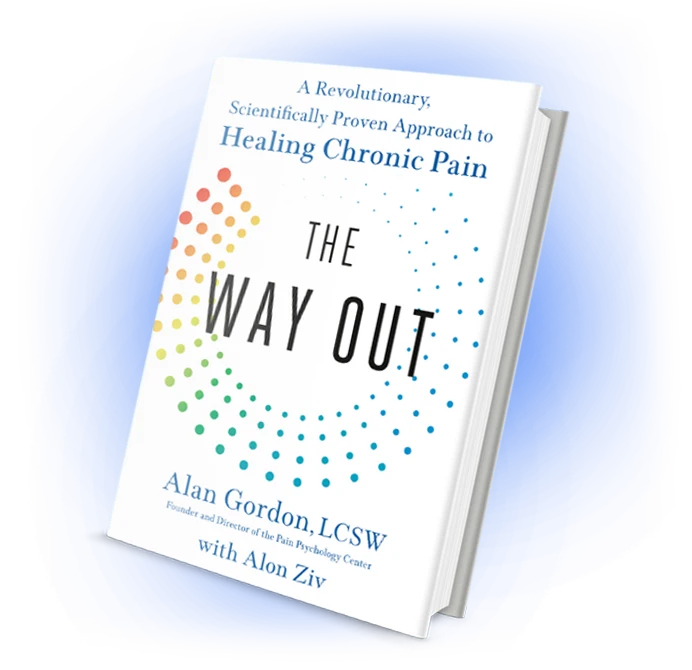
Book by Alan Gordon

The Way Out

Describes how the brain and body interact and provides useful tools for reducing pain using pain reprocessing therapies.

Book by Stuart McGill, PhD

Back Mechanic

Coupled with his "Big Three" low back exercises, providing actionable resources for spine stability and functional recovery.

Mobile Apps

Calm & Headspace

"Calm" is an application which helps with meditation and relaxation. "Headspace" includes dedicated modules for managing chronic pain.

VIDEO DEMONSTRATION

Rehabilitation & Care Exercises

Watch our specialist guide on targeted exercises and care instructions.

Clinical Insights & Updates

Insights & Medical Articles

Expanded View

Please select one of the following options to

BOOK AN APPOINTMENT

New Patients

Existing Patient

Existing Issue Click to redirect to Ocean booking form
WELCOME TO

Require a referral from a physician

Book an Appointment / Submit Information

Please fill out your details below to submit your request to info@premierpain.com.

NEED ASSISTANCE?

We're here to help! If you need guidance on how to obtain the referral, we're happy to provide all the necessary details and materials. Simply leave your contact information below, and we'll reach out with everything you need.

    ✔
    Thank you for reaching out!

    Your request for assistance has been submitted successfully. Our team will contact you shortly to guide you through obtaining your referral.